

MEMBER
Chuck Brooks
MEMBER TYPE
Think Tank, Advisor
FOCUS
Cybersecurity
COMPANY
Brooks Consulting International

CONTACT

CogWorld think tank members include some of today’s greatest minds in AI and future proofing.
Code 7892
OFFERING
Chuck brings experience from service in the public sector, academia, and with corporations. He serves on a variety of boards, many of them philanthropic. He brings substantive knowledge in a broad range of cyber issues and a special expertise of cybersecurity in government that have benefited both the not-for-profit, public, and commercial sectors.
SUMMARY
Chuck has been a leading evangelist for cybersecurity in both the public and private sectors. He has been a featured speaker at numerous events and conferences, and has written dozens of articles on cyber tech and policy in publications such as Forbes, Huffington Post, The Hill, Federal Times, IT Security Planet, Bizcatalyst360, NextGov, Alien Vault, Gov Tech, Government Security News and many others. Chuck is a pioneer in social media with a global following and has brought significant attention to cyber issues from his frequent posts and commentary on LinkedIn, Twitter, Facebook, FedScoop, and other social media. He also owns and operates several high-profile groups on LinkedIn active in cybersecurity and homeland security discussions. He is one of the original “plank holders” at the Department of Homeland Security, worked on Capitol Hill, taught homeland security at Johns Hopkins University, and has advised several organizations including the Bill & Melinda Gates Foundation, The Cyber Resilience Institute, and is a member of the AFCEA Cybersecurity Committee. He also serves as Chairman of CompTIA’s New and Emerging Technologies Committee, and as a Christian Science Monitor Passcode Influencers Panel member on Information Security. He is on the Board of Advisors for CyberTech, on the Board of Directors at Bravatek, and on the Cyber Resilience Institute. He is an advisor to Inzero Systems and The Center for Advancing Innovation. He has a BA from DePauw University and an MA from the University of Chicago and has a Certificate in International Law from The Hague Academy of International Law, Netherlands.
Chuck's thought leadership activities and writings on cybersecurity have helped shape the public policy debate as he is respected in the industry, in the Federal Government, in academia, in global communities, and on Capitol Hill. He has been a force in discussing, advocating, and promoting cybersecurity issues across digital media, at events, in professional forums, and with a variety of public policy organizations. Chuck has authored numerous articles focusing on cybersecurity, homeland security, and technology innovation for many publications, print, and digital.
ARTICLES

An important turning point in the development of cybersecurity is the increasing incorporation of AI into every layer of the digital ecosystem. AI is a ubiquitous operational force that is simultaneously bolstering defensive capabilities and enabling attackers with previously unheard-of speed, precision, and autonomy. It is no longer a theoretical technology or a far-off future.
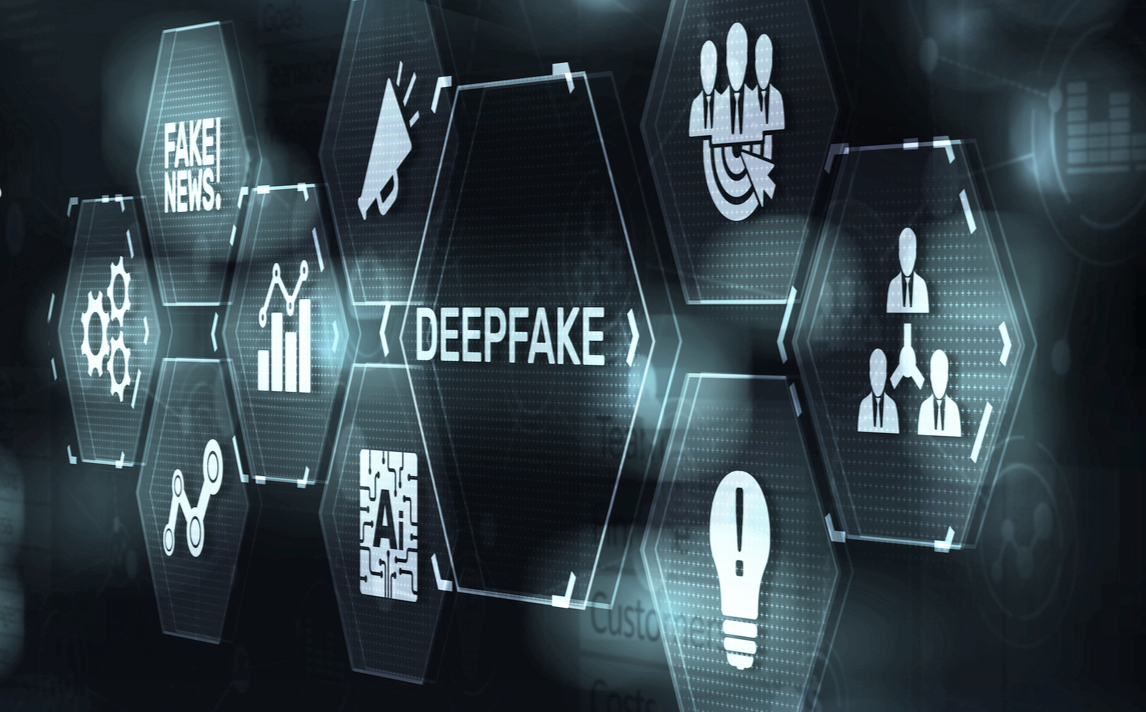
Deepfakes undermine trust. In today’s digital ecosystem, trust is not a soft value; it is functions as our operational infrastructure. When people can no longer trust what they see or hear, the foundations of commerce, governance, national security, and personal relationships start to erode. Generative AI has made that risk a reality.
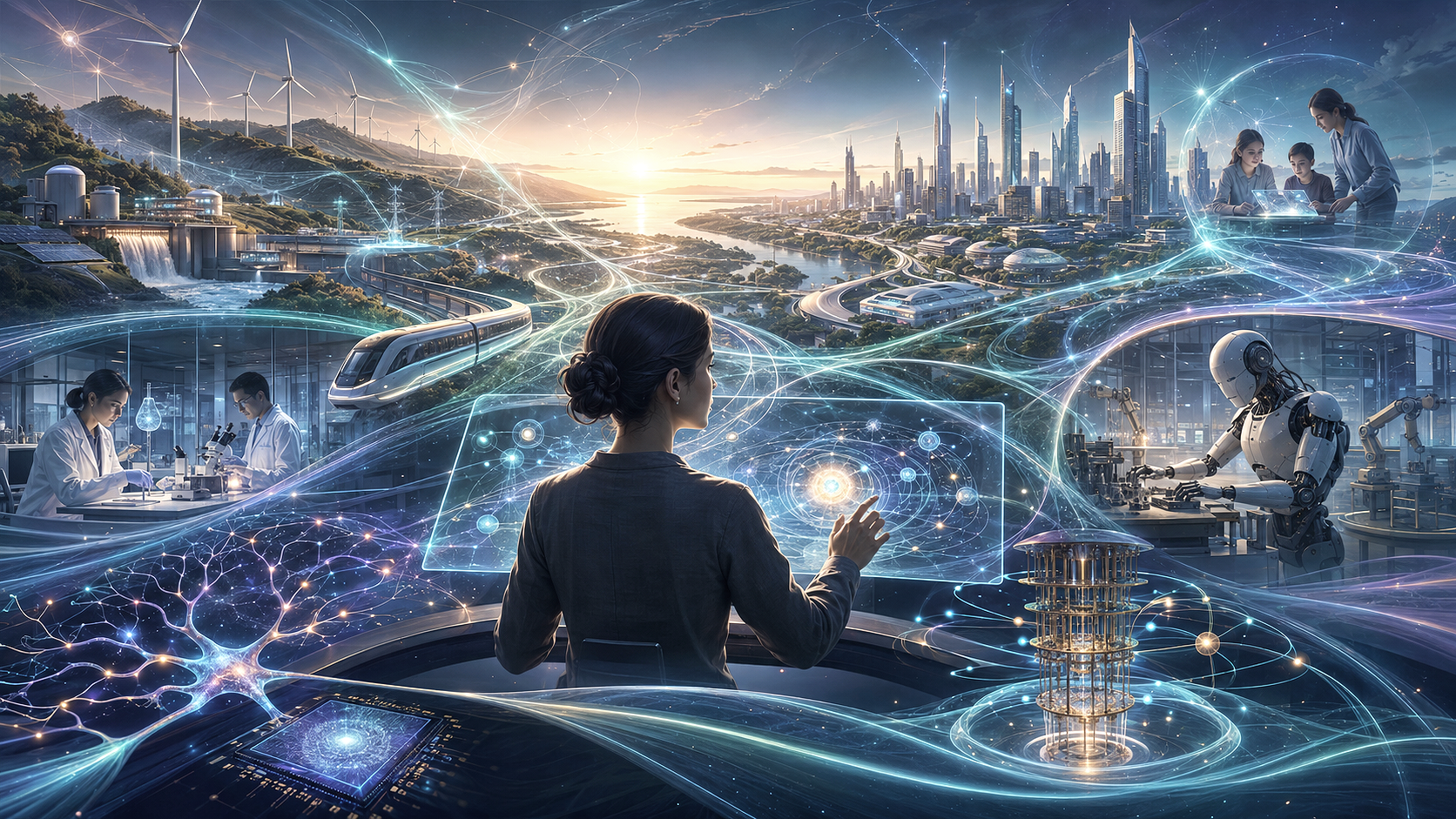
The next decade will see AI evolve beyond isolated applications into dynamic intelligence fabrics, exhibiting contextual awareness, cooperative reasoning, and continuous learning across all sectors. Future AI will possess persistent memory, multimodal perception, and long-term planning, creating vast digital workforces that blur the line between software and human employees.
Artificial intelligence (AI) has created a paradigm shift for Cybersecurity. AI and machine learning (ML)-powered computing systems are now essential to cyber operations. They assist security teams in keeping an eye on large networks, spotting irregularities instantly, and reacting more quickly than is humanly feasible. By automating tasks that would otherwise overburden under-resourced teams, AI levels the playing field in today's threat landscape, which is characterized by sophisticated ransomware, social engineering, and malware.

Digital infrastructure serves as the foundation for national security, the economy, and everyday life in today’s hyper-connected world. Artificial intelligence (AI) and quantum computing are examples of emerging technologies that inspire creativity. However, these technologies also magnify risks posed by sophisticated attacks, black swans, gray swans, economic volatility, and geopolitical tensions. At this point, resilience—the ability to anticipate, endure, and recover from disruptions—is absolutely necessary.

Businesses today face a broader range of risks than ever before. Ongoing geopolitical crises, such as the Russia-Ukraine conflict, along with the adoption of advanced technologies like AI, have created numerous new challenges for companies seeking to operate securely and effectively.

In mid-2025, we are entering the early stages of a new age of digital transformation where networked technologies that combine engineering, computer algorithms, and culture are becoming impactful on a global scale. The upcoming digital revolution and technological convergence will drastically affect our patterns of living, working, and networking in the near future.

The information technology landscape has significantly changed in recent years in terms of corporate value creation (and performance). Wherever data is stored, the digital revolution has created new challenges but also new solutions for innovation and efficiency. Unfortunately, data has a high value to those with nefarious purposes and enhancing data protection needs to become a priority for every business and organization.

President Donald Trump’s administration will assume a cybersecurity portfolio that has continued to evolve toward combating digital threats since the Cybersecurity and Infrastructure Protection Agency (CISA) was created 6 years ago out of the Department of Homeland Security (DHS). CISA’s mission is a formidable one. The list of hostile threat players in cyberspace is quite extensive. Nation-states, organized criminals, terrorists, and hacktivists are all included.

There is no doubt that 2023 was a tough year for cyber security. The amount of data breaches keeps rising from previous years, which was already very scary. An exponential rise in the complexity and intensity of cyberattacks like social engineering, ransomware, and DDOS attacks was also seen. This was mostly made possible by hackers using AI tools.

Whether it be through our PCs or the smart devices we carry around, computing controls almost everything we do in the modern world. Futurists view computational power and related capacities as key indicators of technological advancement. The computational explosion of data will have a direct impact on the fundamental pillars of society, such as healthcare, security, communications, transportation, and energy.

Cyberattacks are becoming more common in the digital ecosystems we utilize for both personal and professional reasons. In the past year alone, hundreds of millions of private records from banks, ISPs, and retail establishments have been made available to the public.

Every new year creates a new opportunity for optimism and predictions. In the past couple of years, emerging technology has permeated almost all areas of our lives. There is much to explore! In this article, I focus on three evolving technology areas that are already impacting our future but are only at the early stages of true potential: artificial intelligence, quantum computing, and space systems.

Our evolving digital world is getting trickier and trickier to protect. Every organization is now a target in the present digital environment, and every firm, big or little, has operations, a brand, a reputation, and revenue funnels that could be at significant danger from a breach.

The topic of artificial intelligence's rising involvement in our digital world and its associated opportunities and challenges have been the main topics of discussion at many security conferences and events in recent times. There is little doubt that humankind is on the verge of an era of exponential technological advancement, and AI is leading the way in the emerging digital world.

In 2021, Booz Allen Hamilton analysts surmised that China will surpass Europe and the US in quantum-related research and development and that Chinese hackers could soon target heavily encrypted datasets such as weapon designs or details of undercover intelligence officers with a view to unlocking them at a later date when quantum computing makes decryption possible.

More Treachery And Risk Ahead As Attack Surface And Hacker Capabilities Grow
Every year I peruse emerging statistics and trends in cybersecurity and provide some perspective and analysis on the potential implications for industry and government from the data. While cybersecurity capabilities and awareness seem to be improving, unfortunately the threat and sophistication of cyber-attacks are matching that progress.

Protecting critical infrastructure, and especially the U.S. Energy Grid is certainly a topic that keeps the U.S. Department of Homeland Security (DHS), The U.S. Department of Energy (DOE), The U.S. Department of Defense (DOD), and U.S. intelligence community planners up at night. The threats can be from cybersecurity attacks (by countries, criminal gangs, or hacktivists), from physical attacks by terrorists (domestic or foreign) and vandals on utilities or power plants, or from an Electronic Magnetic Pulse (EMP) generated from a geomagnetic solar flare, or from a terrorist short range missile exploded in the atmosphere.

We are living amid a technological revolution that is transforming the globe. Changes are visible in all aspects of our lives from transportation, health, and communications. As the adage states, yesterday’s science fiction is today’s science. We are now expanding our capabilities in every area of science, chemistry, biology, physics, and engineering. That includes heightened spae exploration, as well as building smart cities, new manufacturing hubs, and developing artificial intelligence and quantum technologies.

By 2032, it will be logical to assume that the world will be amid a digital and physical transformation beyond our expectations. It is no exaggeration to say we are on the cusp of scientific and technological advancements that will change how we live and interact.
What should we expect in the coming decade as we begin 2022? While there are many potential paradigms changing technological influences that will impact the future, let us explore three specific categories of future transformation: cognitive computing, health and medicine, and autonomous everything.

According to CISA, “the working group will serve as an important mechanism to improve the security and resilience of commercial space systems. It will identify and offer solutions to areas that need improvement in both the government and private sectors and will develop recommendations to effectively manage risk to space based assets and critical functions.” See CISA Launches a Space Systems Critical Infrastructure Working Group | CISA
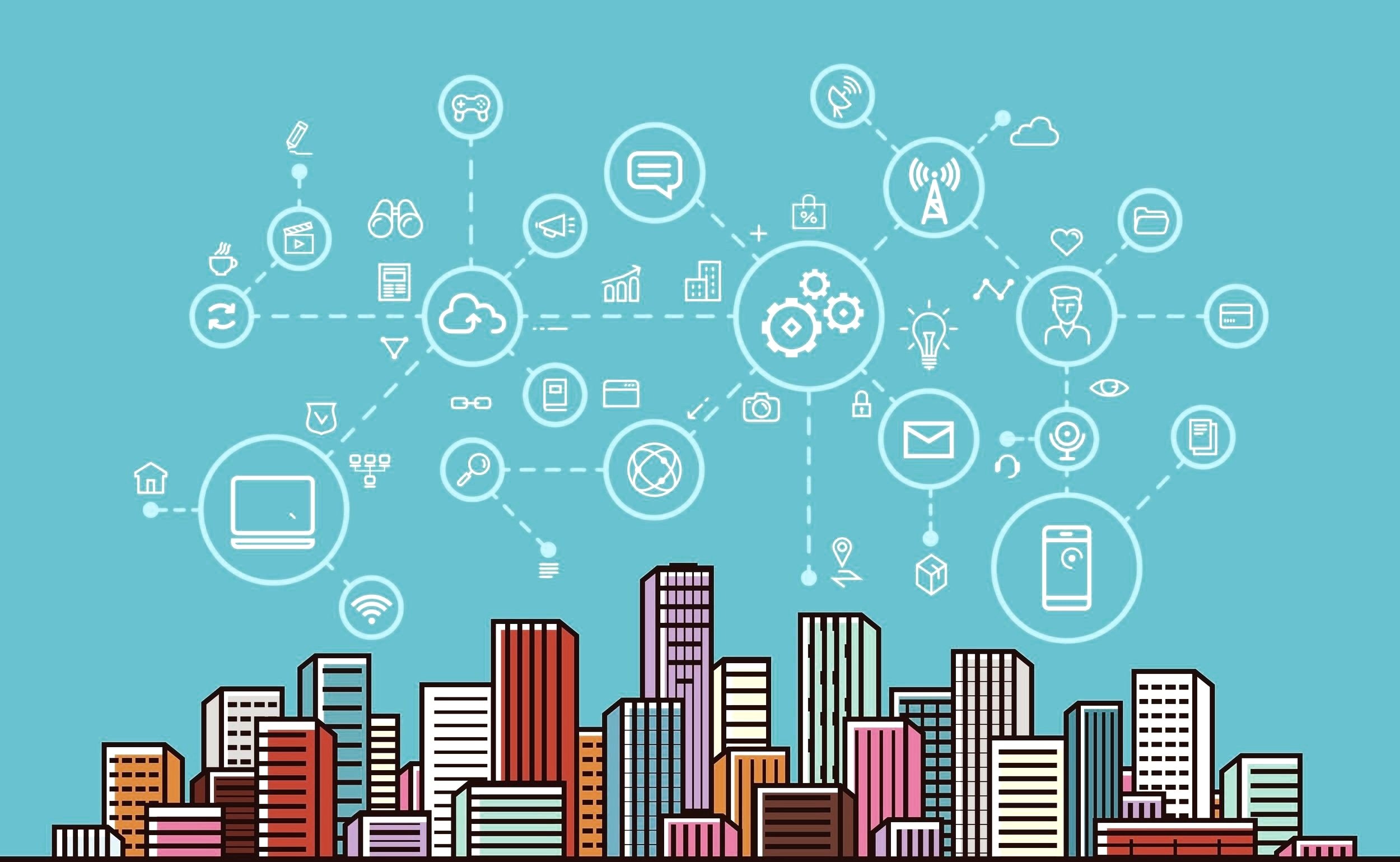
As we continue to move forward in the Industry 4.0 era of greater connectivity between the physical and digital, the promise and development of smart cities become a more likely vision. While the term may have differing definitions, the term “smart city” usually connotes creating a public/private infrastructure to orchestrate the integration of transportation, energy, water resources, waste collections, smart-building technologies, and security technologies and services in a central location.
A couple of times per year, I take a deep dive on writing about the newly reported cybersecurity statistics and trends that are impacting the digital landscape. Unfortunately, despite global efforts, every subsequent year the numbers get worse and show that we are far from being able to mitigate and contain the numerous cyber-threats targeting both industry and government.

Last year I wrote two FORBES articles* that highlighted some of the more significant cyber statistics associated with our expanding digital ecosystem. In retrospect, 2021 was a very trying year for cybersecurity in so many areas. There were high profile breaches such as Solar Winds, Colonial Pipeline and dozens of others that had major economic and security related impact. Ransomware came on with a vengeance targeting many small and medium businesses. Perhaps most worrisome was how critical infrastructure and supply chain security weaknesses were targeted and exploited by adversaries at higher rates than in the past.

The cornerstone of collaboration is based on knowledge transfer; sharing of research tools, methodologies and findings; and sometimes combining mutual funding resources to meet shortfalls necessary to build prototypes and commercialize technologies.
Collaborations often involve combinations of government, industry and academia who work together to meet difficult challenges and cultivate new ideas. A growing trend for many leading companies is creating technology specific innovation centers, labs, and foundries to accelerate collaboration and invention.

In 2007, statistician Nassim Nicholas Taleb defined “Black Swan” as an event that “is an outlier,” as it lies outside the realm of regular expectations. Black Swans by that definition are mostly unforeseen, rare, and can be created by geo-political, economic, or from other unexpected events.

The Scoville Scale is a measurement chart used to rate the heat of peppers or other spicy foods. It can also can have a useful application for measuring cybersecurity threats. Cyber-threats are also red hot as the human attack surface is projected to reach over 6 billion people by 2022. In addition, cyber-crime damage costs are estimated to reach $6 trillion annually by 2021. The cybersecurity firm RiskIQ states that every minute approximately 1,861 people fall victim to cyber-attacks, while some $1.14 million is stolen. In recognition of these alarming stats, perhaps it would be useful to categorize cyber-threats in a similar scale to the hot peppers we consume. I have provided my own Scoville Scale-like heat characterizations of the cyber threats we are facing below.

The process of systems integration (SI) functionally links together infrastructure, computing systems, and applications. SI can allow for economies of scale, streamlined manufacturing, and better efficiency and innovation through combined research and development. New to the systems integration toolbox are the emergence of transformative technologies and, especially, the growing capability to integrate functions due to exponential advances in computing, data analytics, and material science. These new capabilities are already having a significant impact on creating our future destinies.
In the U.S., most of the critical infrastructure, including defense, oil and gas, electric power grids, health care, utilities, communications, transportation, education, banking and finance, is owned by the private sector (about 85 percent according to DHS) and regulated by the public sector. The public and private relationship in operating and protecting critical infrastructure requires a strong working partnership.
Protecting the critical infrastructure poses a difficult challenge because democratic societies by their nature are interactive, open and accessible. Because of the growing digital connectivity (and interdependence) of both IT and industrial control systems, critical infrastructure is facing an evolving and sophisticated array of cybersecurity challenges.