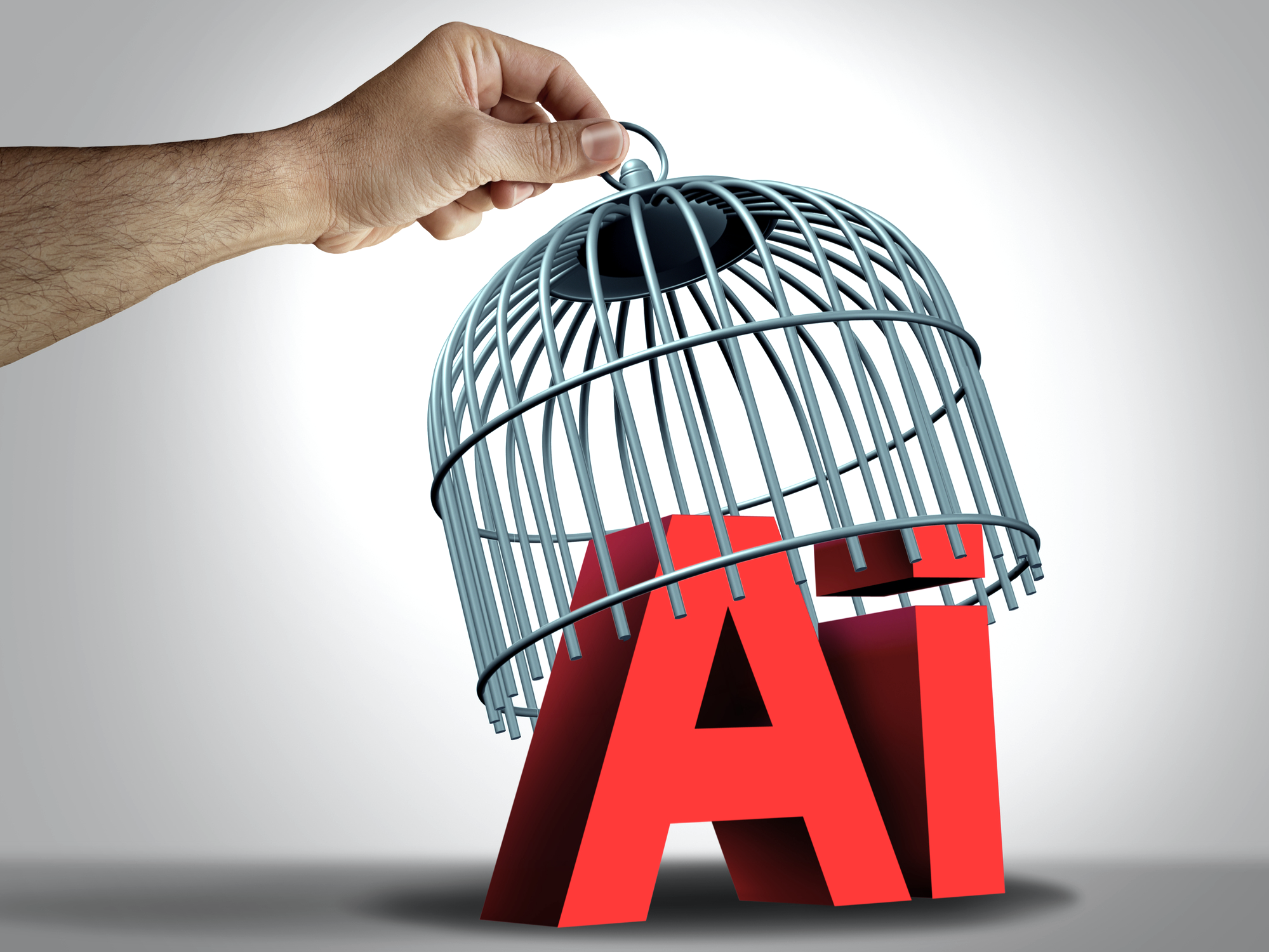
This is the season of holiday overeating and over-drinking—despite the fact that moderate consumption of food and alcohol is widely believed to lead to a better life. Although I sometimes agree with Oscar Wilde in advocating “moderation in all things—including moderation,” I am beginning to think that AI—particularly the generative variety—is no different than food, alcohol, or other good things that become problematic when used excessively.
Read MoreThe most extreme version of strategic AI is found in a small but growing number of companies might be described as “all in on AI” or “AI first.” These companies are aggressively pursuing strategic returns on their AI investments. They are using the technology to enable new strategies, new business models, and dramatically new ways of performing their business processes. While they represent a low percentage of companies, they are providing trailblazing examples for the majority of companies that are more conservative.
Read MoreI am most concerned about this issue in healthcare—perhaps obviously, because de-skilled clinicians could endanger human health. The other general reason why healthcare professionals might let AI de-skill themselves is that they are under considerable pressure to be more productive—at least in the U.S. The average patient visit with a physician is only about 15 minutes, and there are temptations galore to take AI-enabled shortcuts. If AI can easily summarize patient visits in clinical notes, diagnose diseases and communicate with patients about them, and help navigate highly bureaucratic insurance processes, why shouldn’t doctors and nurses take advantage of this capability?
Read MoreYes, there is an AI bubble. AI-related stock prices are inflated, valuations of startups are inflated, there is too much marketing hype, data center construction is excessive, etc. All of these related bubblets will deflate, and probably soon.
Read More