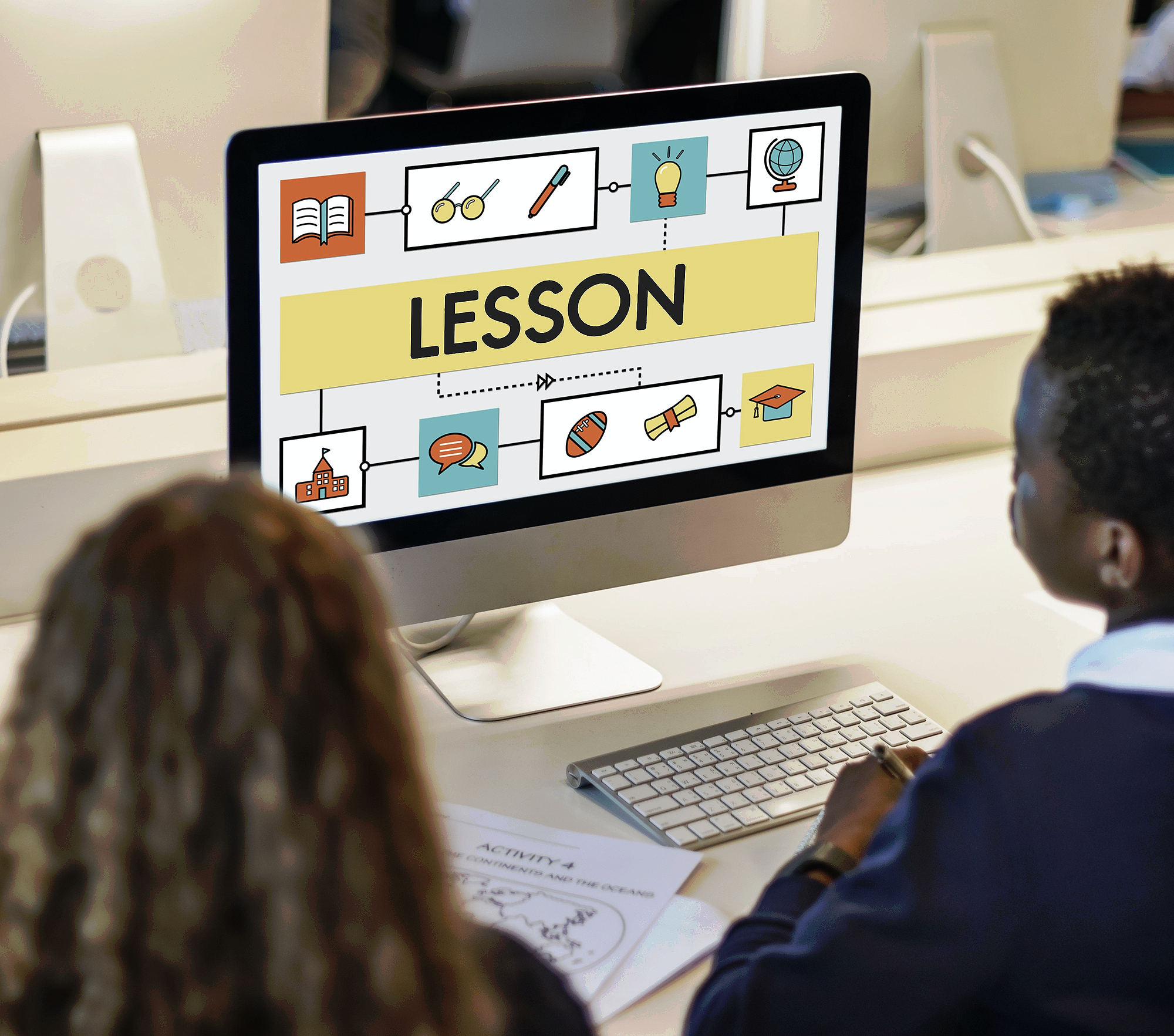
Artificial intelligence has grown to be a crucial part of societal function. As it becomes integrated into school systems, workplaces, and personal lives, we may not notice the negative influence it can have. Excessive or poorly supervised reliance on AI in education may interfere with the development of essential cognitive and social skills, raising concerns about its long-term effects on young learners (1). The implementation of artificial intelligence in educational environments can cause disruption in social, psychological, and analytical situations, proving that regulations on AI are required to encourage healthy usage of artificial intelligence by adolescents.
Read MoreCinema is undergoing a quiet revolution. As artificial intelligence begins to design storyboards, generate lifelike faces, and even script dialogue, filmmakers everywhere are confronting a question that cuts to the heart of creativity: what remains distinctly human in storytelling? The tension between algorithmic precision and emotional imperfection is reshaping how stories are told and how audiences connect with them.

Read MoreWhen I interviewed Professor Ben Zhao from the University of Chicago, I didn’t just learn about computers and AI. I learned about kindness, fairness, and standing up for people who are being hurt by technology. Professor Zhao was named in Time Magazine’s AI 100 List in 2024 for his amazing work, but what impressed me most was how much he cares about helping artists.
Read More